Unsere Wohnmobil-Modelle
Jedes Wohnmobil-Modell wird mit Präzision handgefertigt, für Komfort gestaltet und für die Straße gebaut.
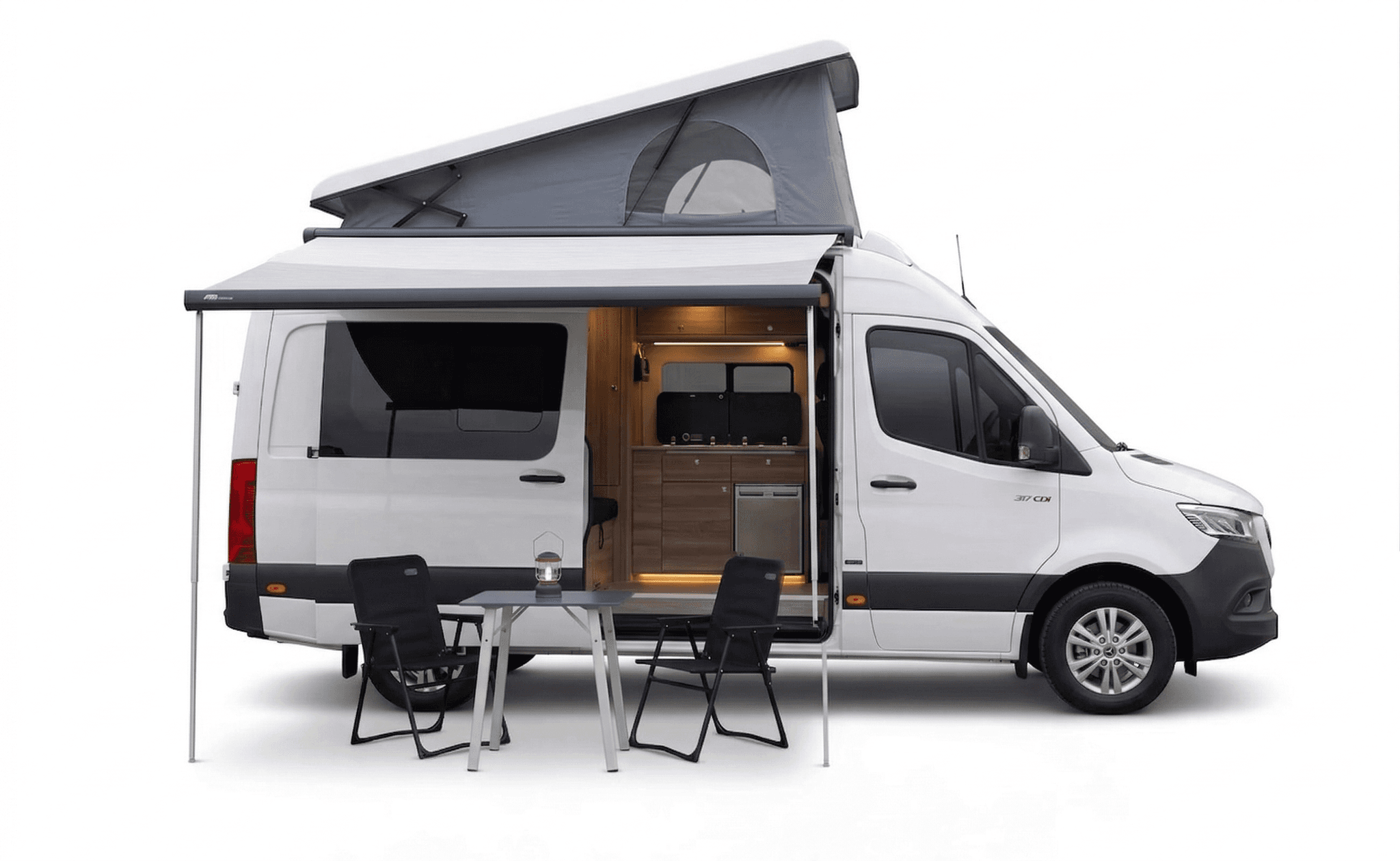
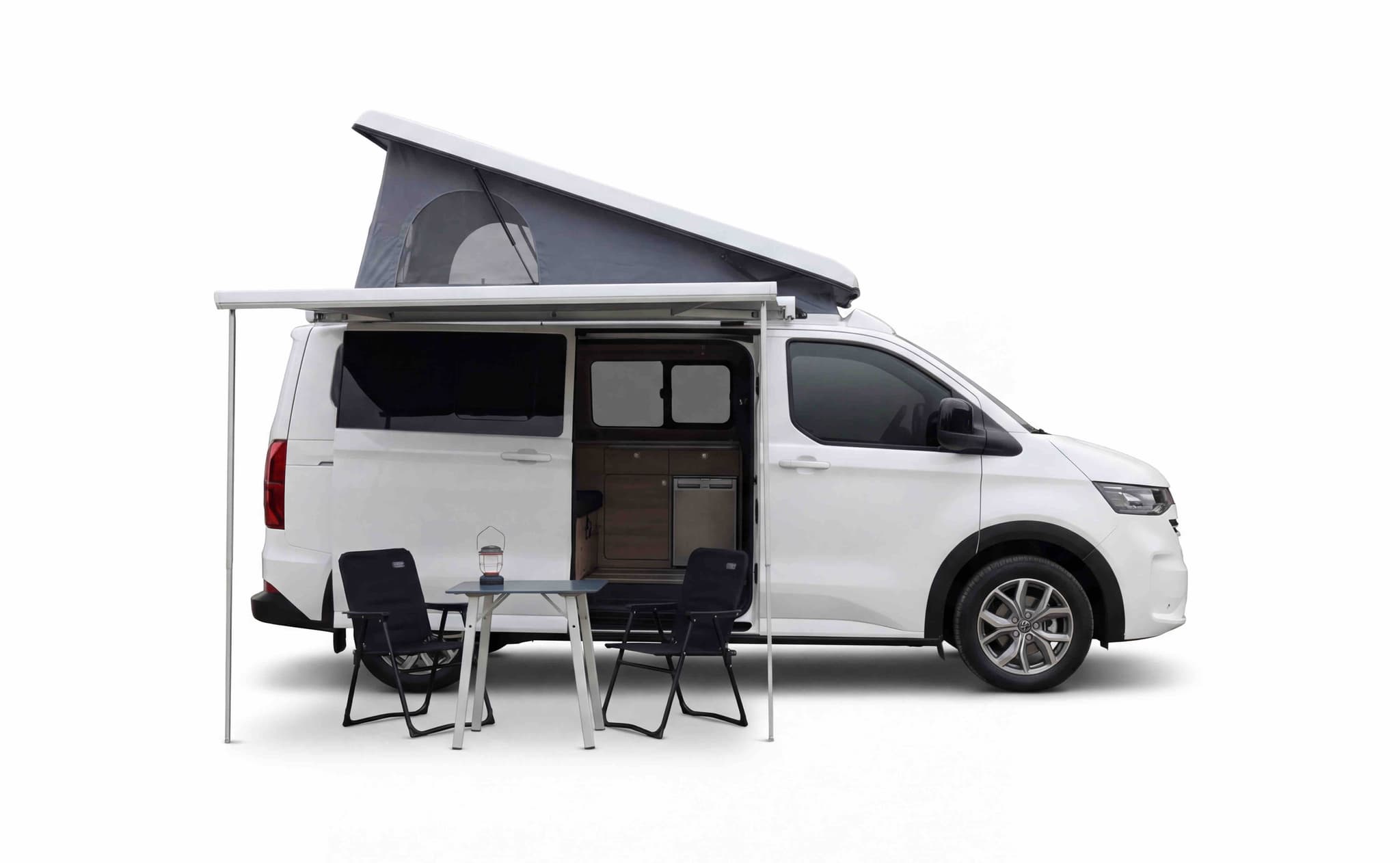
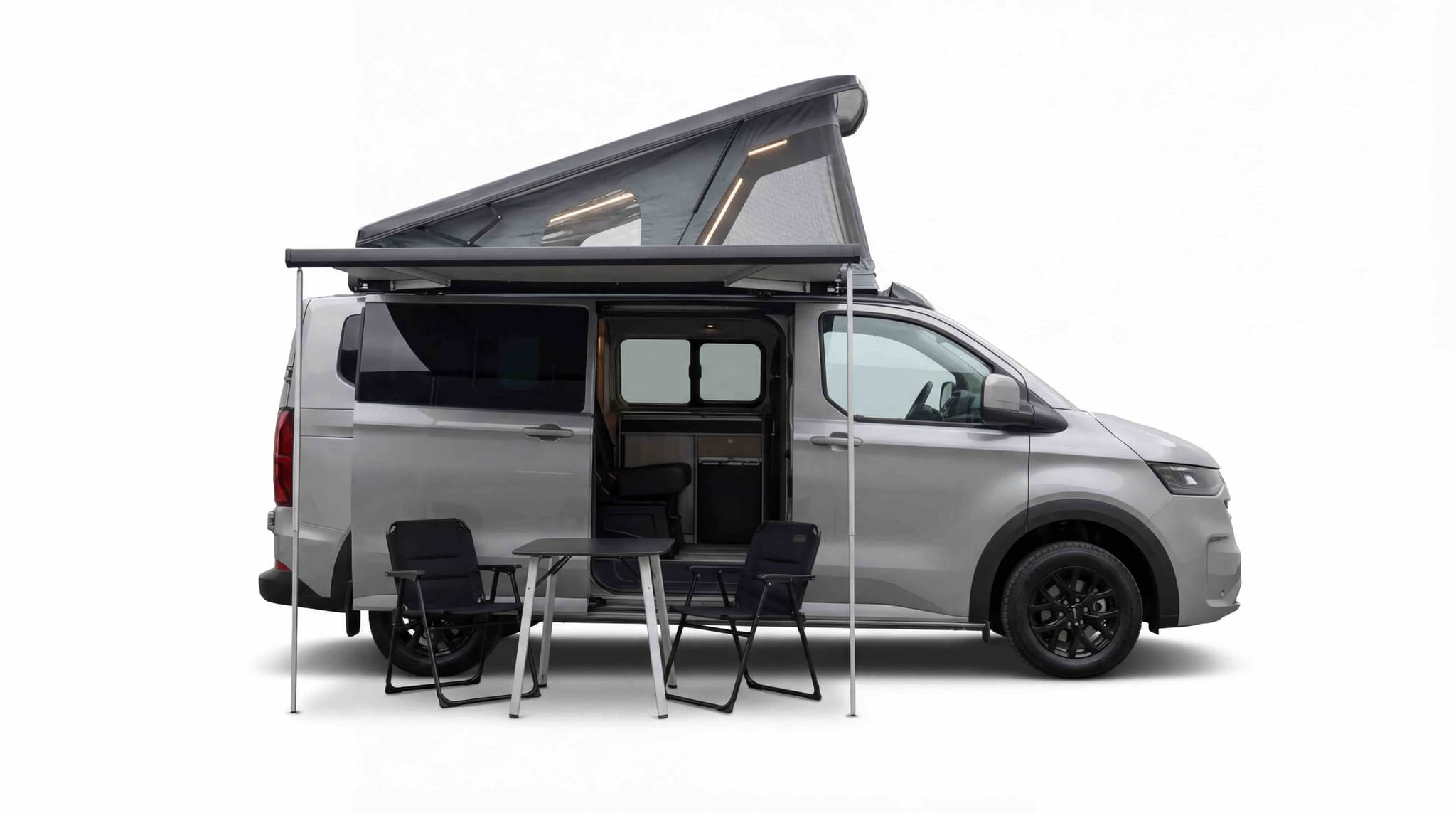
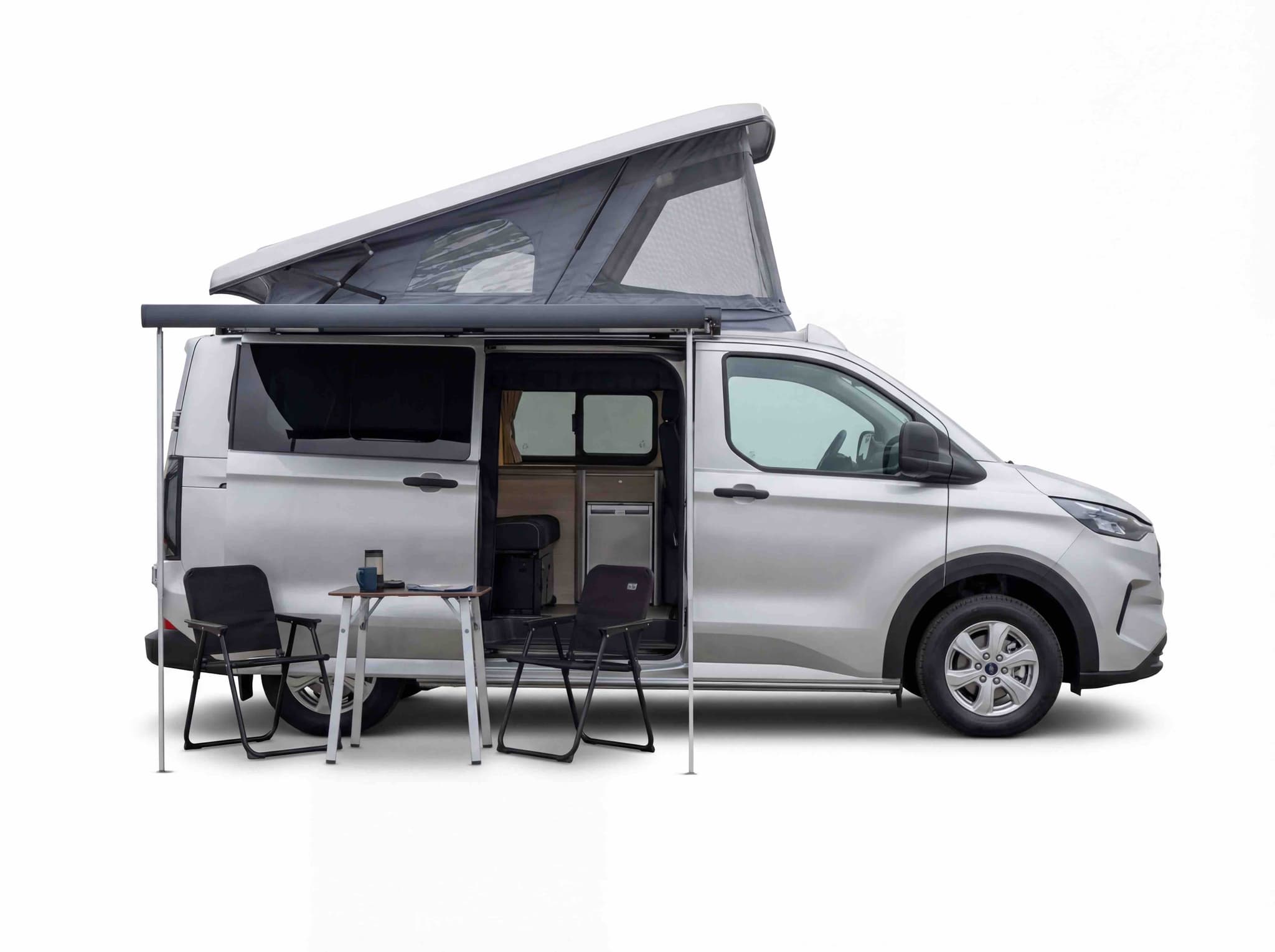
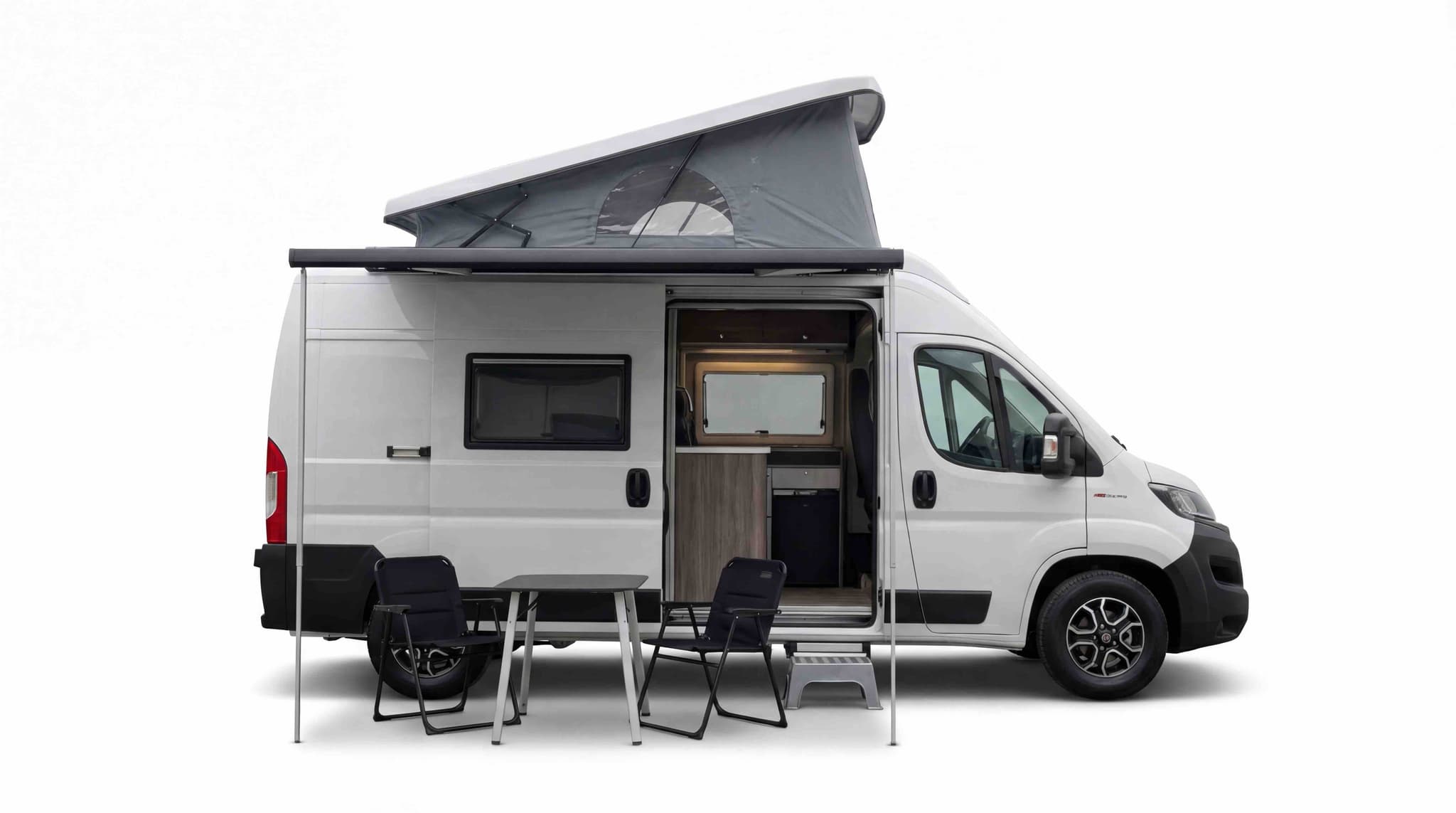
How to choose a camper layout
Start with how many people need to sleep in the van, and be honest about it. A layout that sleeps four on paper is not the same as a layout four people want to live in for two weeks. If it is usually two of you, the space you gain by not fitting a second bed is worth more than the occasional extra berth.
The next decision is fixed bed or convertible. A fixed rear bed is always ready and gives you a garage underneath for bikes, skis and outdoor gear. A convertible bed gives you a much larger living area during the day, at the cost of making it up every night. Neither is better; they suit different trips.
Then work out whether you need a washroom. An indoor toilet and shower cost floor space and are the single biggest claim on a small van's layout. Many people travelling in Norway rely on campsite facilities and use a compact toilet only as backup. If you plan to stay off-grid for several days at a time, that calculation changes.
Building for Norwegian conditions
A camper that works in July in Provence is not automatically a camper that works in February in Norway. If you intend to use the van outside high summer, insulation and heating are not upgrades — they decide whether the vehicle is usable.
The things that matter are the thickness and coverage of the insulation, whether the water system and waste tank are protected from freezing, whether the heater runs on diesel from the vehicle's own tank or on gas you have to refill, and how well the windows and roof hatches are sealed. Condensation is the most common complaint in a poorly built winter camper, and it comes from cold bridges and weak ventilation rather than from the weather.
Weight, payload and your licence
A standard class B car licence covers vehicles up to and including 3,500 kg gross vehicle weight, which is why most van conversions are built to stay under that figure. It is worth understanding what that leaves you.
The gross weight minus the finished weight of the converted van is your payload: passengers, water, gas, food, clothing, bikes and everything else. A heavy build with a full washroom and a large water tank can leave surprisingly little. Ask for the actual weighed kerb weight of a finished conversion rather than a brochure figure, and check the remaining payload against how you actually travel.
What to ask any converter
Ask who does the work and where. A conversion involves carpentry, 12 V and 230 V electrics, gas or diesel heating, plumbing and bodywork, and the quality of the result depends on those trades being done properly rather than quickly.
Ask what happens after handover. A camper is a vehicle that needs servicing and, in Norway, periodic EU-kontroll, and habitation systems need attention too. A converter with its own workshop can service what it built; one without will send you elsewhere.
Ask to see a finished vehicle, ideally one that has been in use for a season or two. New builds always look good. A two-year-old build tells you how it was made.